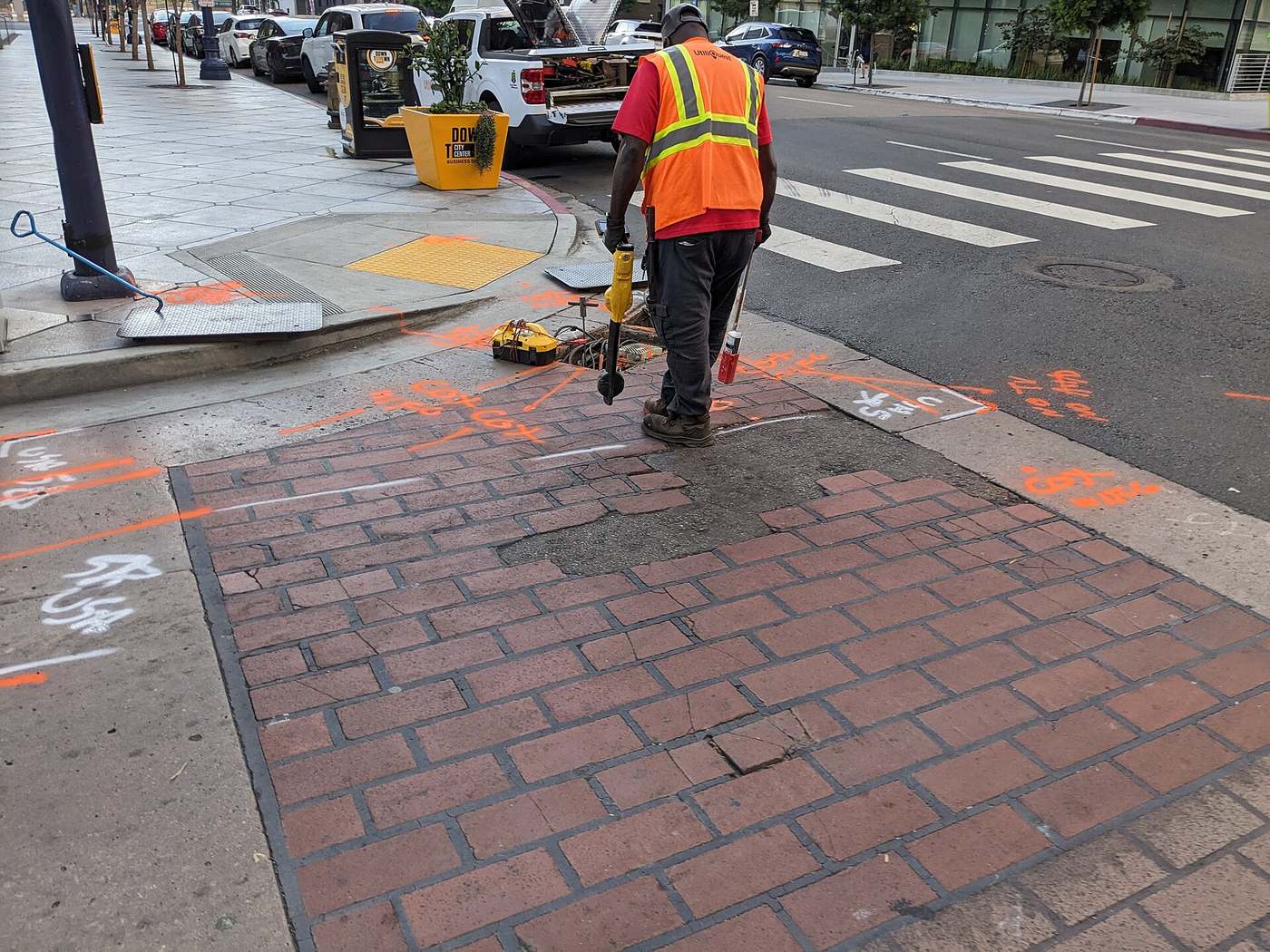
Oilfield hydrovac near Bakersfield
Kern County leases are full of buried flowlines. Hydrovac exposes live pipe with water and suction, so nobody has to find it with a bucket.
Free quotes from independent Kern County hydrovac operators. We're the request service, not the crew.
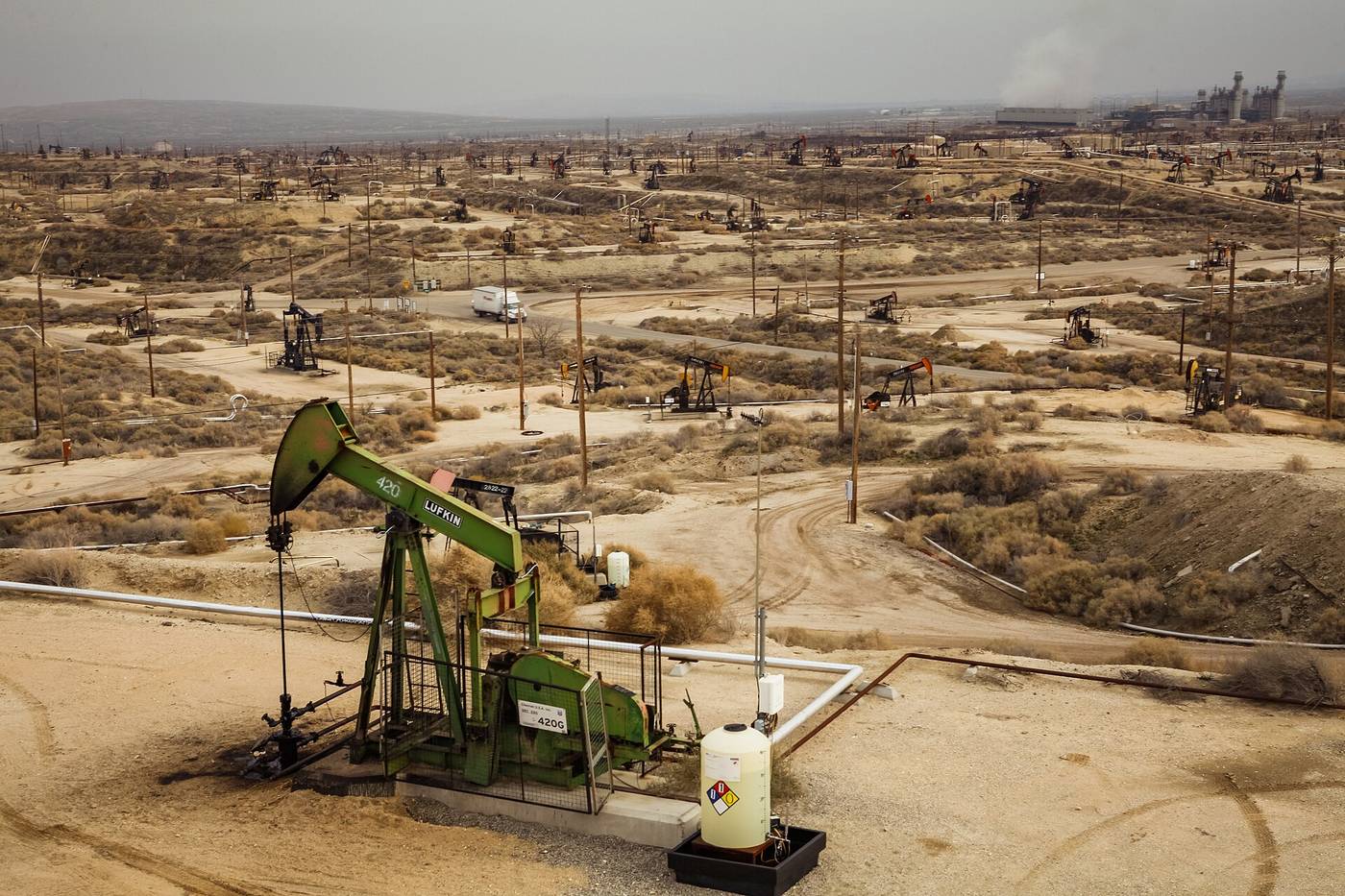
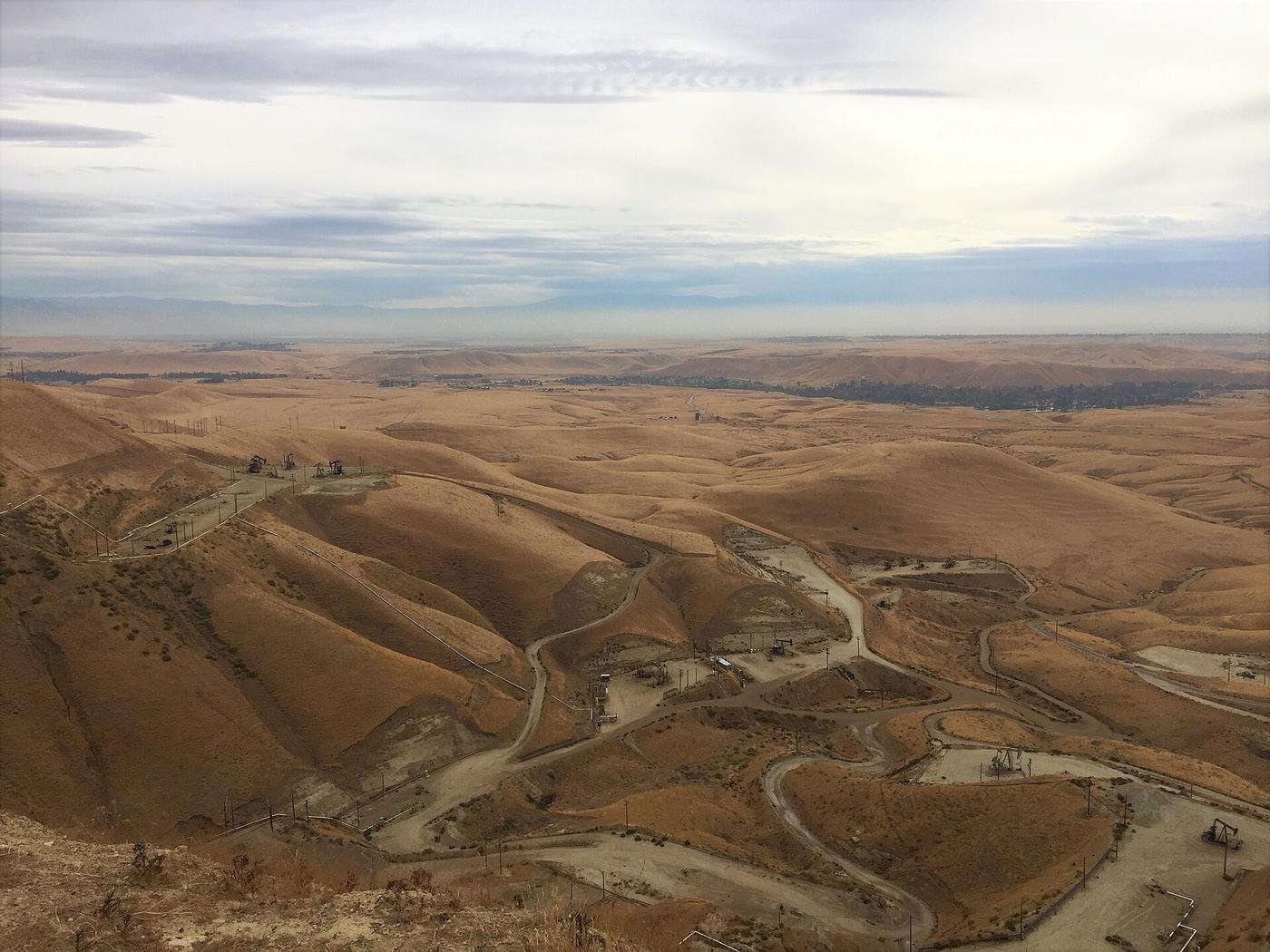
Hydrovac on leases and pipelines
Kern County is oil and gas country, and the ground under a lease is crowded: flowlines, gathering lines and pipe running between wells, tanks and facilities, often alongside power and water lines. Anywhere new work has to cross or sit next to that pipe, a hydrovac crew can expose it first.
The method is proven on much bigger jobs than a lease. Vacuum excavators and hydro-excavators were used to dig potholes along a 700-mile segment of the Kern River pipeline (Construction Equipment).
- Crossing potholes before a new line, road or fence crosses existing pipe.
- Exposing existing pipe for tie-ins, repairs or inspection.
- Digging around live pipe where a bucket could cut it, rub off coating or strike it.
- Lease road access. Dirt lease roads, gates and escorts change how a truck gets in and how long a day on site really is.
- Slurry. Wet spoil has to leave the site, and material from an oil field may need special handling. See slurry hauling and disposal.
Equipment and method
A hydrovac truck carries water, a pump, a hand-held wand that cuts soil with a pressurized stream and a vacuum system that lifts the slurry into a debris tank. Operators set pressure and nozzle for the ground and for what is in it. Ask whether the crew has done lease work and what orientation or training the lease needs.
When lease work needs hydrovac
- A new line, pad or road crosses existing flowlines and you need their real depth.
- A tie-in or repair needs the pipe exposed along a stretch. See daylighting and potholing.
- A line has been hit, or something unmarked turned up. See emergency and same-day exposure.
- An engineer needs positive location before design. See test holes.
- The pipeline operator wants no mechanical digging within a set distance of its line.
What to have ready
- The lease name, gate and escort rules, and who meets the crew.
- Any safety orientation or site-specific training the lease requires.
- Whether the pipeline operator needs a standby person, and who arranges it.
- Your USA North 811 ticket number, or the date you plan to call.
- Number of holes or feet of line to expose, expected depths, and the pipe you expect.
- Road condition to the site, and where the truck can get water.
- Where slurry can go, and whether the material may be contaminated.
Rules before digging near pipe
Lease work is still excavation, and line owners often set their own conditions on top of the state notice rules.
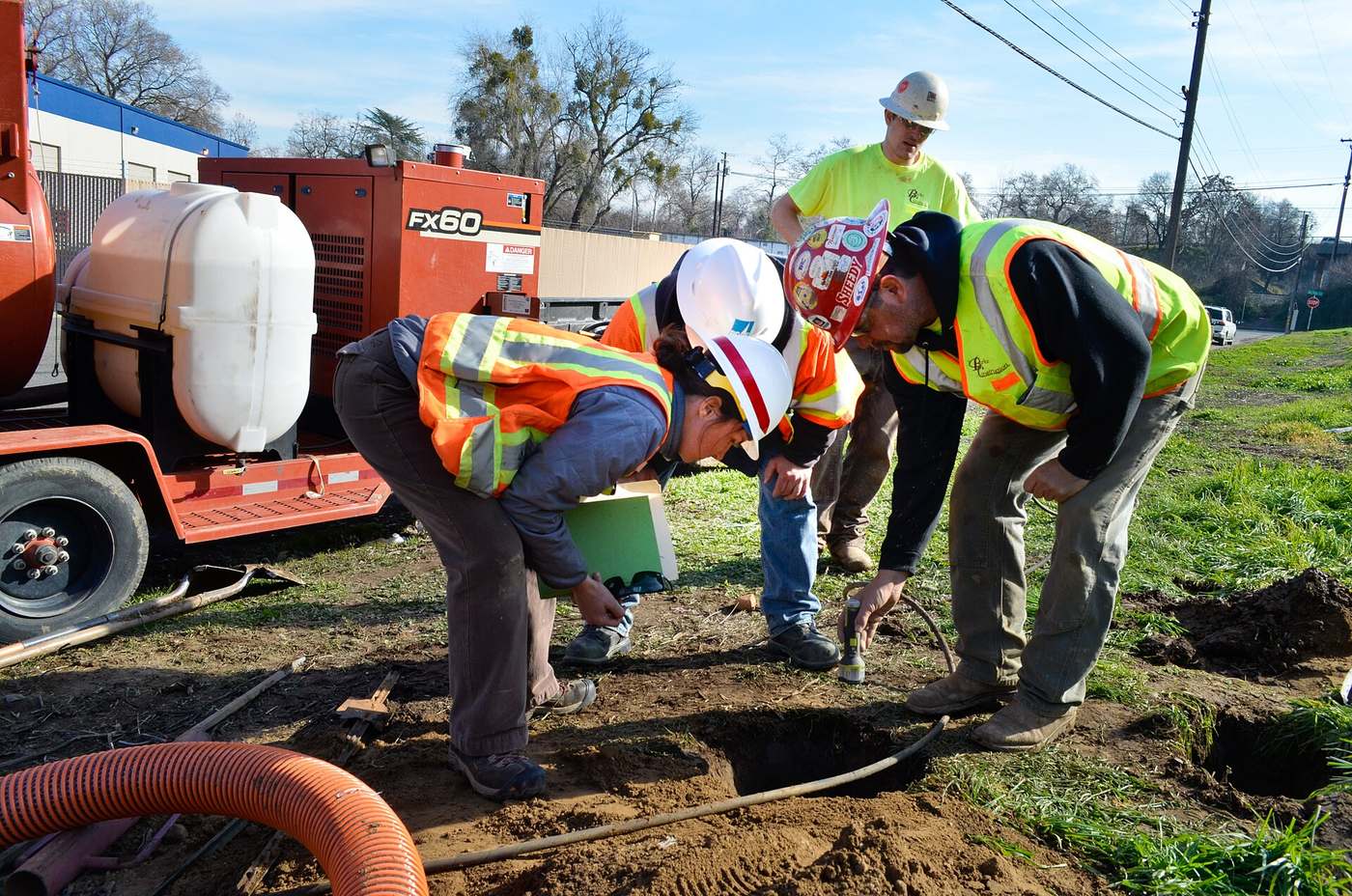
Your USA North 811 ticket
California Government Code 4216 requires notice to the regional one-call center, USA North 811 for Kern County, at least 2 working days before you dig, not counting the day you call, and no more than 14 calendar days ahead. Tickets are generally good for 28 days. (Code text, Energy Safety on 811.)
The line owner's conditions
Pipeline operators commonly ask for advance notice, a standby person on site when their line is exposed, or limits on equipment near the pipe. Ask each owner early, and put what they need in your request so operators can quote it.
Lease and access rules
Gate codes, escorts, speed limits and orientation can add time to a job. Tell operators what the lease requires before they quote.
Oilfield hydrovac questions
Live pipeCan hydrovac work be done near live gas or oil pipe?
Exposing live lines with water and suction instead of a bucket is common practice, and it is why the method is used on pipeline crossings. The line owner sets the conditions, such as notice or a standby person, so ask them before you book a crew.
AccessDo lease roads matter for quotes?
Yes. Dirt roads, gates, escorts and long drives to the site change how much of a day goes to travel and waiting. Describe the road and the access rules in your request so operators can price the real job.
StandbyWho arranges the pipeline company's standby person?
That is normally settled between you and the pipeline company, not the hydrovac operator. Ask the pipeline company what it requires, and tell operators whether a representative will be on site so the crew's schedule fits.
811Do I need an 811 ticket on private lease land?
Plan on one. California Government Code 4216 applies to excavation, and lease work still means digging near buried lines. Line owners may have their own rules too, so ask them and USA North 811 if you are unsure.
SlurryWhere does slurry go after a job on a lease?
It depends on what is in it and what the site owner requires. Tell operators if the material may be contaminated, and ask where it will be taken. More on slurry hauling and disposal on its own page.