Slurry hauling in Bakersfield
Hydrovac digging leaves wet spoil that has to go somewhere. Tell operators how much, and where it can legally go, before you compare prices.
Free quotes from independent Kern County hydrovac operators. We're the request service, not the crew.
Why there is slurry to haul
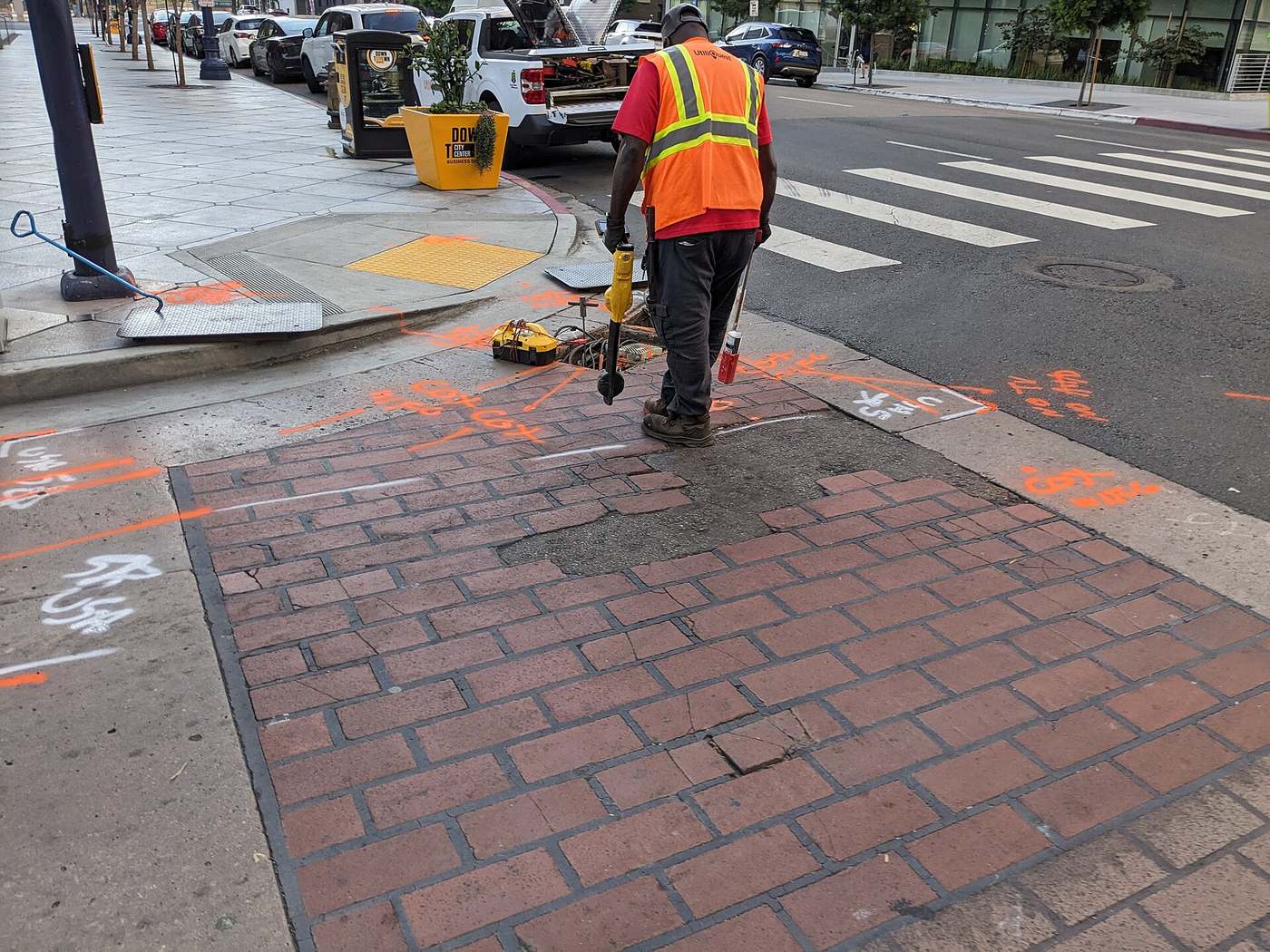
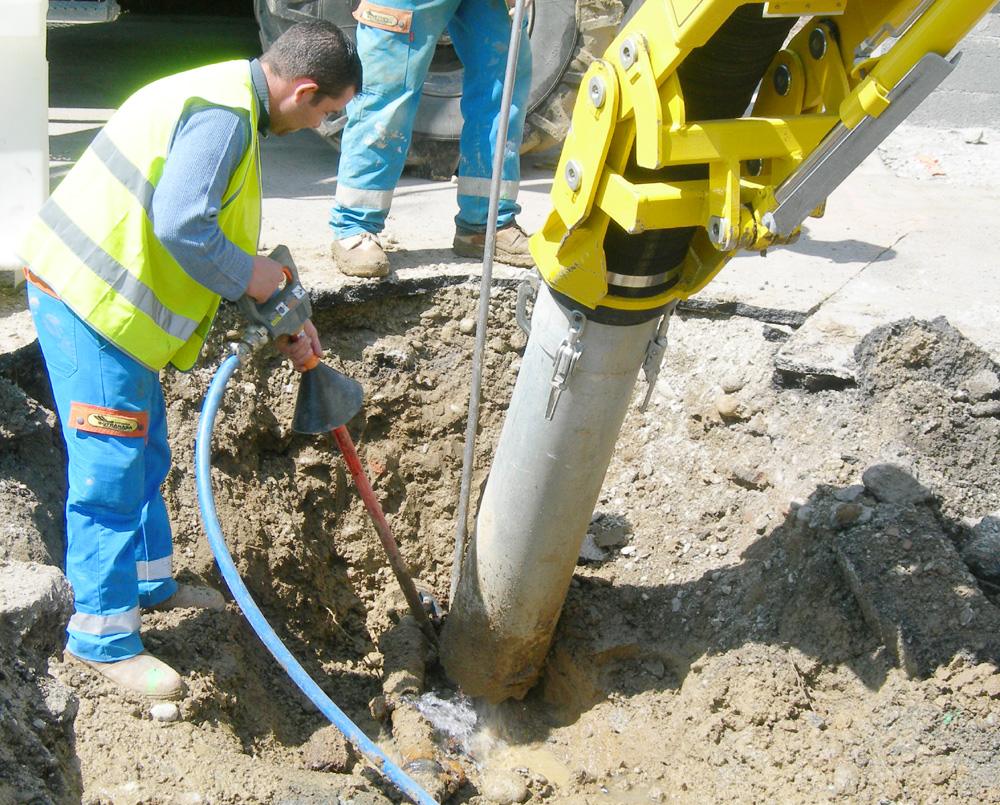
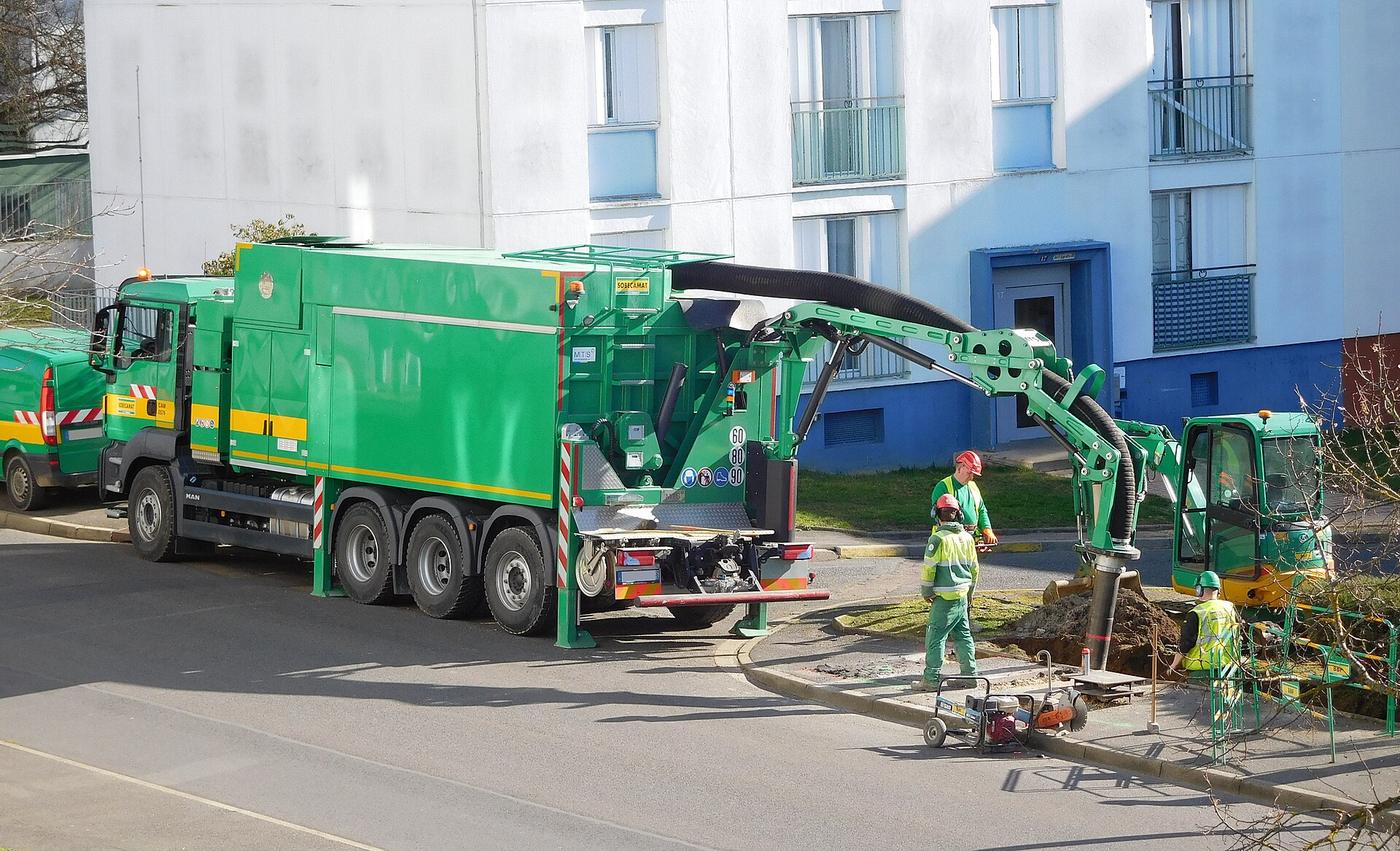
Hydrovac cuts soil with water and lifts it with suction, so what comes out of the hole is wet: soil and water together in the truck's debris tank. That is slurry. Unlike a pile of dry dirt from a bucket, it cannot sit at the side of the hole, and it has to be taken somewhere. That is why disposal shows up as its own line in quotes.
- Construction sites. Potholes, trenches and cleanouts all fill a debris tank, and a full tank means a trip to unload.
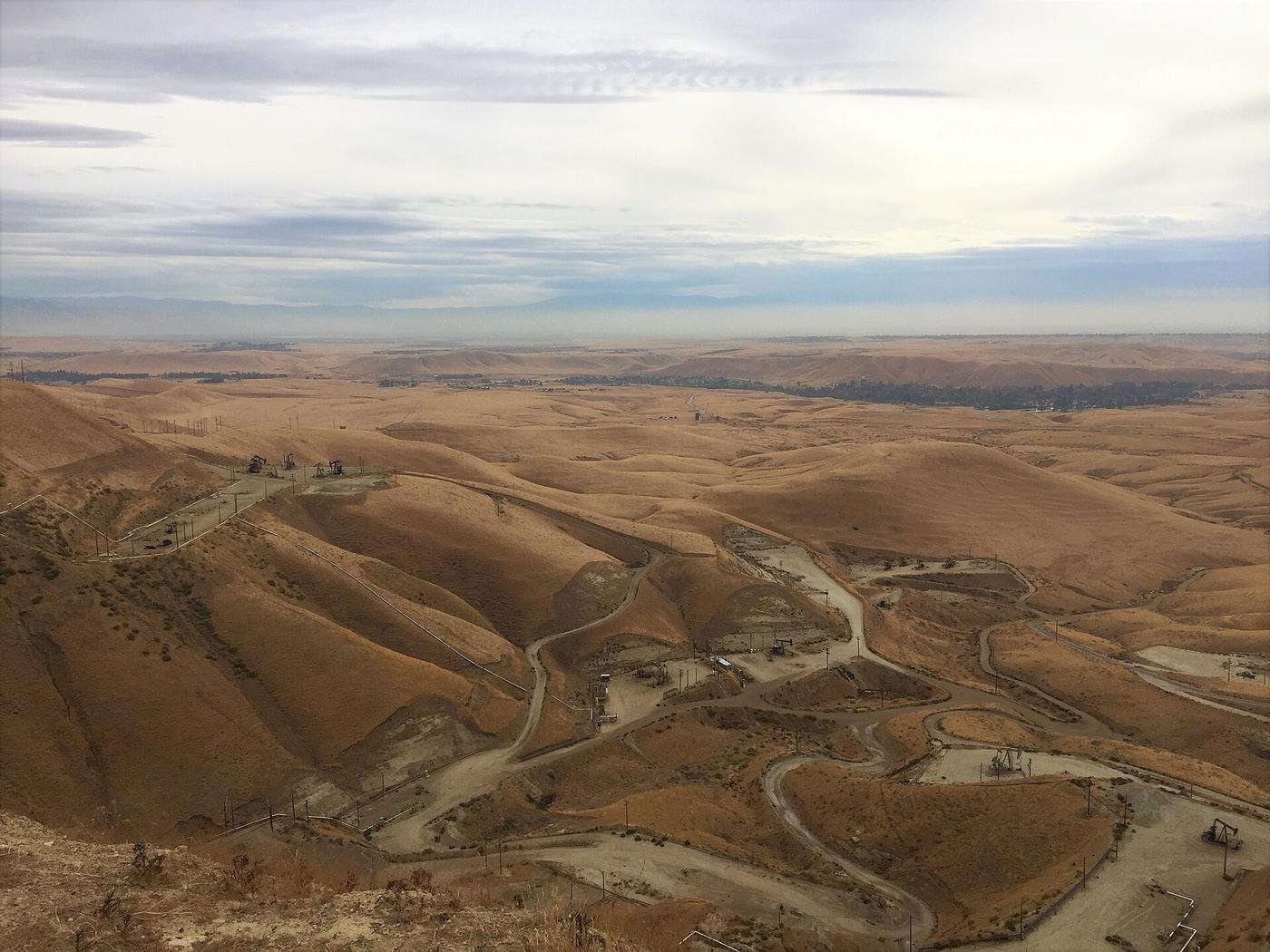
- Oil field operations. Material dug on a lease may need different handling from clean fill. See oilfield and pipeline hydrovac.
- Cleanouts. Debris from drains, basins and vaults. See sewer and storm drain cleanout.
- Digging jobs generally. Any potholing quote should say whether hauling and disposal are in it.
Why quotes differ
Two quotes for the same holes can differ mostly in how they treat disposal: included in the price, charged per load, or left to you. Ask each operator which it is, and ask where the slurry goes. Operators know which facilities they use and accept; the site owner may have its own rules too. Compare quotes on that line, not only on the digging.
What affects the haul
The volume of slurry, how far the truck has to go, how much water the job used, and whether the material may be contaminated. Say what you know. Operators would rather ask early than turn up with the wrong plan.
When you need hauling
- A hydrovac job fills the truck faster than the work can finish.
- The site cannot hold wet spoil, or it cannot stay beside the hole.
- Oilfield material has to leave a lease under the site owner's rules.
- A drain or vault cleanout produced debris that must go off site.
- The job used a lot of water and the slurry volume is more than you expected.
What to have ready
- An estimate of the volume, or the number of truckloads.
- Where the work is and how a truck gets in and out.
- Whether the material may be contaminated, especially on an oil field.
- Any requirement from the site owner or a permit about where it goes.
- Whether you want disposal included in the quote or priced separately.
- The dates and hours the truck can access the site.
- Prevailing wage or insurance certificate requirements.
Hauling follows the dig
Hauling is not digging, but it usually goes with a dig. If yours does, the 811 notice rules apply to the excavation.
Your USA North 811 ticket
California Government Code 4216 requires notice to the regional one-call center, USA North 811 for Kern County, at least 2 working days before you dig, not counting the day you call, and no more than 14 calendar days ahead. Tickets are generally good for 28 days. (Code text, Energy Safety on 811.)
Where slurry may go
This depends on what is in it and on who owns the site. We do not list facilities or rules on this site. Ask each operator where the material will be taken, and ask the site owner or your engineer if there is a requirement.
If it may be contaminated
Tell operators before they quote, not on the day. Material from an oil field or an older industrial site may need different handling, and it changes both price and options.
Slurry questions
WhereWho decides where slurry goes?
It depends on what the material is and who owns the site. Operators know which facilities they use and accept, and a site owner or permit may add requirements. Ask each operator in writing where yours will be taken.
ReuseCan the spoil go back in the hole?
Sometimes, if the material is suitable and your specifications allow it. Wet slurry and contaminated material usually cannot just be put back, so ask your engineer or the line owner before you assume anything.
PriceIs disposal included in the quote?
It varies. Some operators include it, some charge per load, some leave it to you. Ask which, and compare quotes on that line as well as the digging.
Oil fieldWhat if the material comes from an oil field?
Say so when you ask for quotes. Material from a lease may need different handling from clean fill, and operators will want to know before they plan the haul. Ask the operator and the site owner where it can go.