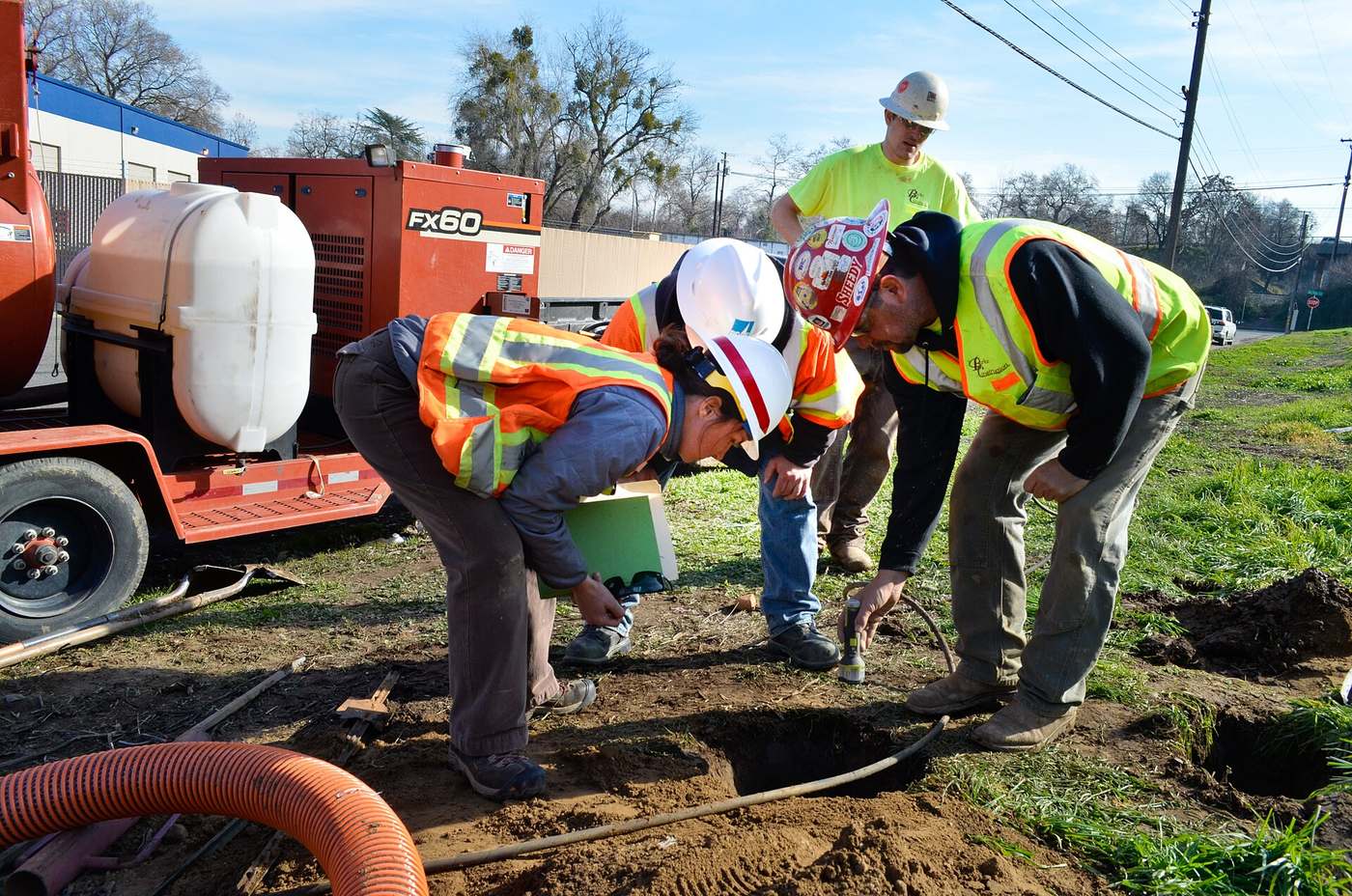
Utility test holes in Bakersfield
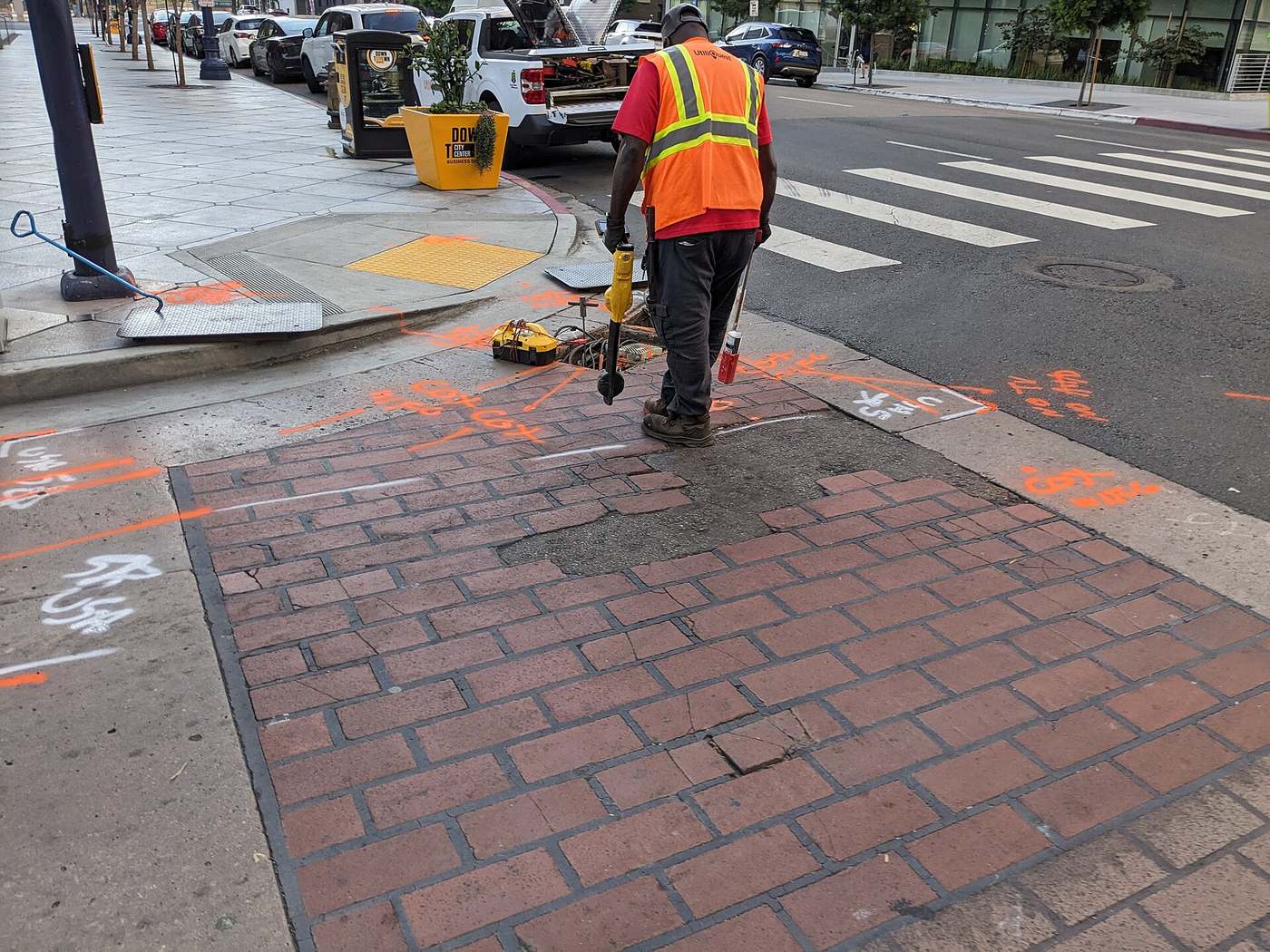
Locate paint shows roughly where a line runs. A test hole shows how deep it is and what it is made of, before a design or a dig depends on the guess.
Free quotes from independent Kern County hydrovac operators. We're the request service, not the crew.
What a test hole tells you
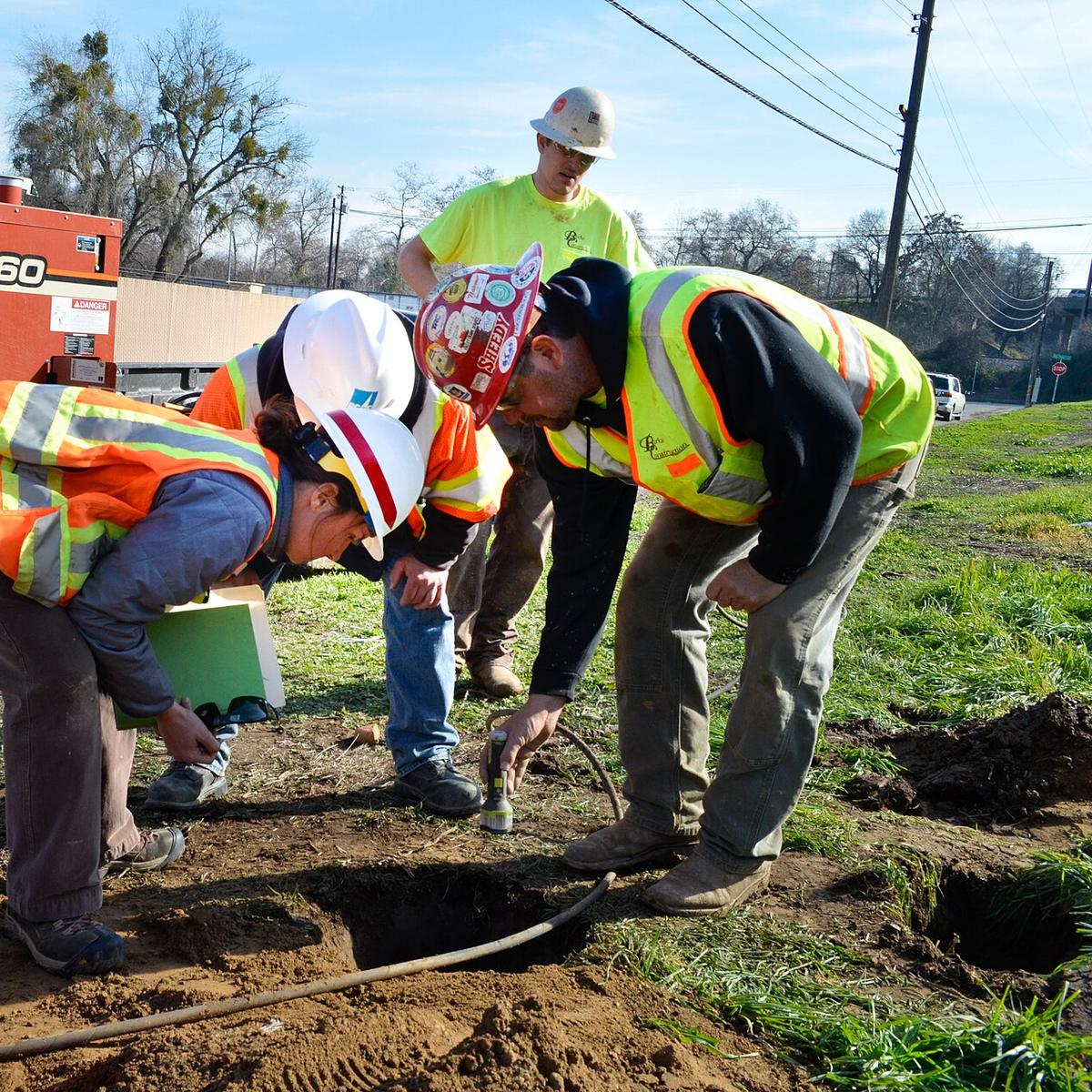
A USA North 811 locate gives you paint or flags showing the approximate horizontal position of a buried line. It does not give you depth, and it says little about size or material. Positive location closes that gap: a hydrovac crew cuts a small hole at the marked spot with water and suction until the line is in view, and the details are read off the line itself.
- Depth to top of line, measured from a reference you agree on, usually the surface.
- Size and material where they can be seen: pipe diameter, duct, conduit or cable.
- Position. Whether the line sits where the paint says, or off to one side.
- A record. A written log and photos for each hole, if you ask for them in the request.
- Backfill. Some quotes fill and patch each hole, some leave that to you. Say which you need.
Who orders test holes
Engineers and designers check for conflicts before drawings are final. Utility contractors want real depths before they bid a crossing or bore under one. Public agencies buy the work in bulk: in 2022 Caltrans put out a bid for routine utility locating with vacuum excavation in Kern and Kings Counties on a one-year term (bid notice). Most local jobs are far smaller, a handful of holes along a street or across a lot.
How it differs from potholing
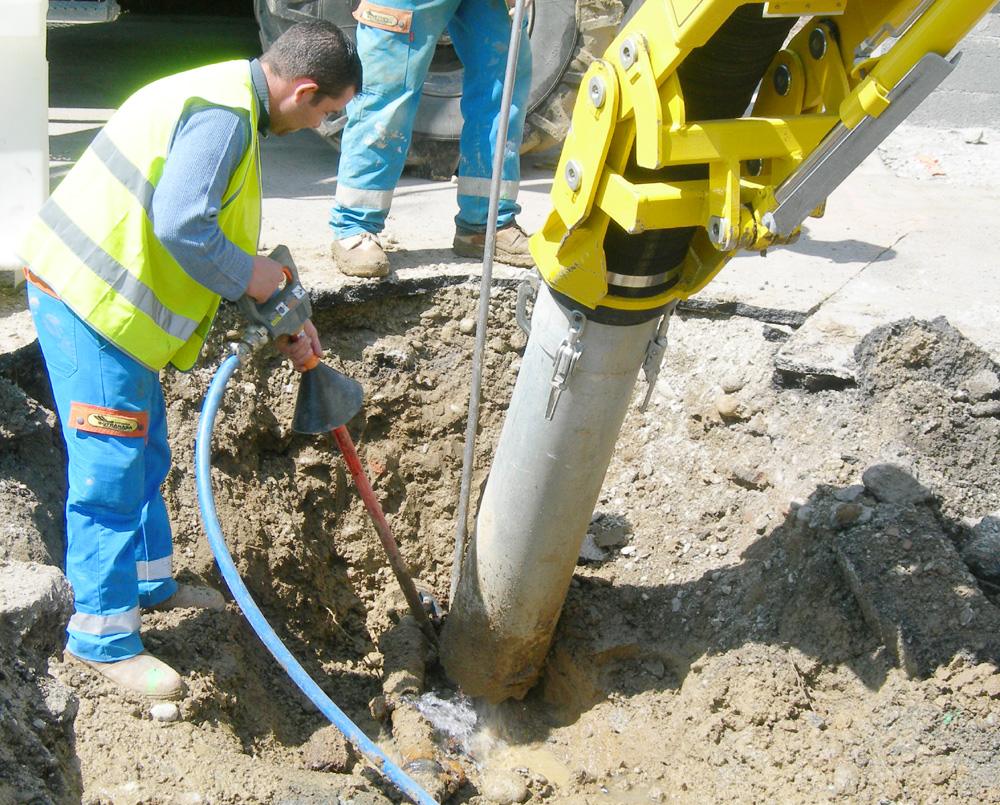
The digging is the same as on a daylighting and potholing job. The difference is the purpose: test holes feed a design, a bid or a conflict check, so the record matters as much as the hole. Agree the log format with the operator before the crew arrives: depth, size, material and photos for each hole.
When test holes make sense
- While a design is still open, so the engineer can move a line or a footing instead of the utility.
- Before you bid a job that crosses buried lines, so the crossing is priced on real depths.
- Ahead of boring or drilling, along with slot trenching for the new run.
- When the paint and the as-builts disagree.
- On oil leases and pipeline corridors, where lines cross at unexpected angles. See oilfield and pipeline hydrovac.
What to have ready
- Plan sheets, or a marked-up photo showing where each hole should go.
- The number of holes and the utilities you expect at each one, with expected depths.
- Whether you need a written log with photos for every hole, and in what format.
- Your USA North 811 ticket number, or the date you plan to call.
- The surface: dirt, gravel, asphalt or concrete. Cutting or coring may be extra.
- Access, traffic control, and where slurry can go.
- Prevailing wage, certified payroll or insurance certificate requirements.
The locate comes first
A test hole follows the 811 locate. It does not replace it, and it is excavation, so the same notice rules apply.
Your USA North 811 ticket
California Government Code 4216 requires notice to the regional one-call center, USA North 811 for Kern County, at least 2 working days before you dig, not counting the day you call, and no more than 14 calendar days ahead. Tickets are generally good for 28 days. (Code text, Energy Safety on 811.)
Who owns the road
Holes in a public street or highway usually need a permit from whoever owns it: the City of Bakersfield, Kern County or Caltrans. Check before you book a crew, because the operator will need the permit conditions and hours.
The line owner's conditions
Some utilities and pipeline operators want their own representative on site when their line is exposed. Ask the owner early and put it in your request.
Test hole questions
TermsWhat is the difference between a test hole and a pothole?
Same method, different purpose. A test hole is a pothole dug to collect information for a design, a bid or a conflict check, so it comes with a record of depth, size and material. Quotes often use the two words for the same thing.
811Does a test hole replace the 811 locate?
No. It follows it. The locate marks tell the crew where to dig, and the hole then confirms depth and position. Hydrovac is still excavation under California Government Code 4216, so call USA North 811 at least 2 working days before you dig, not counting the day you call.
RecordsCan I get depths in writing?
Ask for it in your request. Many operators can log depth to top of line, size and material for each hole and add photos. Agree the format before the crew arrives so the record is something your engineer can use.
HolesHow many test holes do I need?
One at each point where the design crosses or comes close to a marked line is the usual starting point. Your engineer, the line owner or a permit may ask for more. Send the plan or a marked-up photo and operators will tell you what they would dig.
BackfillWho backfills the holes?
It varies by quote. Some include backfill and a patch, some only expose the line and log it. Say which you need, and whether the spoil can go back in or clean material is required.